

Tuning In
Train Your Mind to Work for You
Every Tuesday
7:00 p.m.- 8:30 p.m. Chicago Time
Live on Zoom
Most of the time, we are not truly present with our own minds.
Our thoughts drift, unexamined, unrestrained, scattered, and forgotten as quickly as they arise. We become so used to this that we stop noticing it at all. Without realizing it, we let habitual, unconscious thinking carry us into worry and anxiety, pulled in every direction by what happens around us and by the restless stream of thought that never quite stops inside us.
Slowly, almost without noticing, we lose our capacity to imagine and build toward what is hopeful and good.
Living inside an unconscious, reactive mind — with no capacity for self-control — is like riding in the backseat of a car that is driving itself. We don't always notice what we've said, or the effect we've had on someone, and sometimes we don't even understand why we feel unhappy.
Your Mind Is a Beautiful Instrument, but It Takes Practice to Work for You.
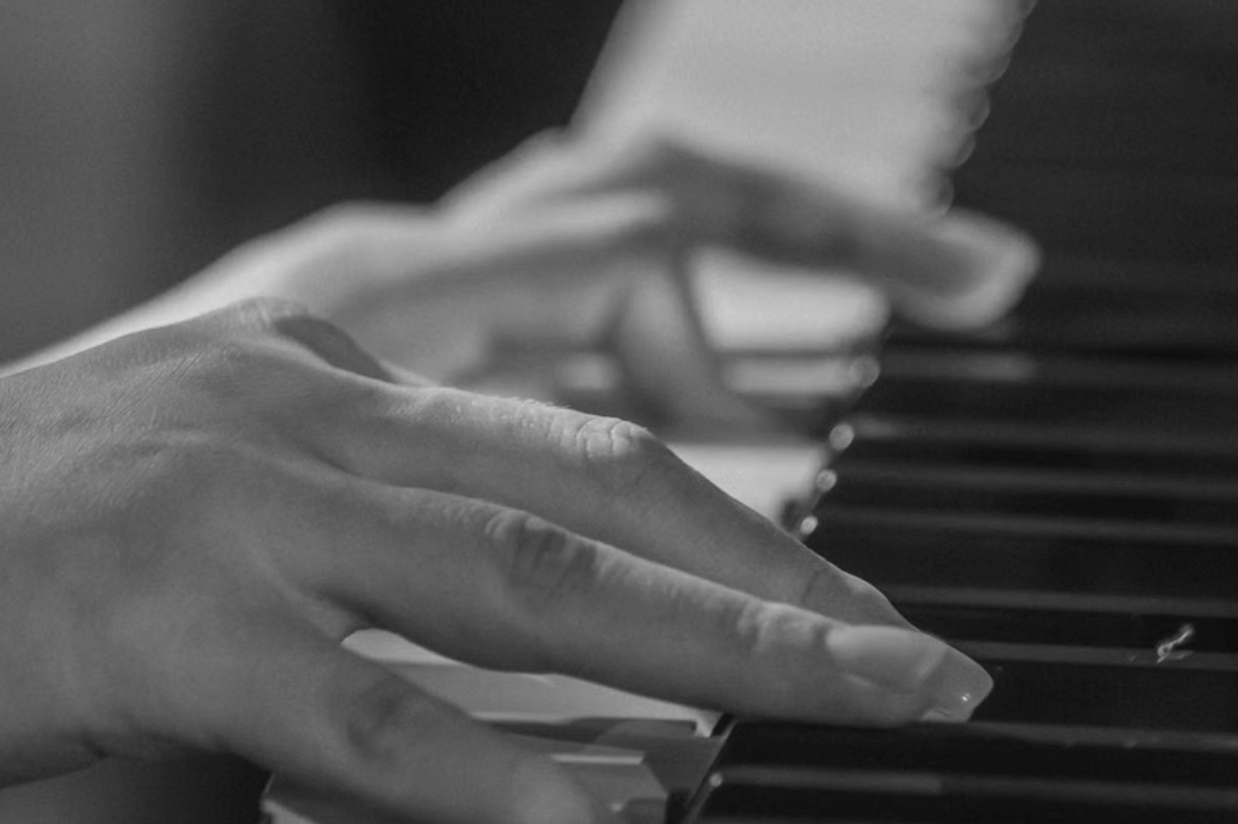
Nobody sits down at a piano for the first time and plays a song. You begin with an intention- a piece you want to learn, and then you simply place your hands on the keys. Learning it note by note is the practice of concentration, and of feeling something beautiful take shape.
Attention works exactly the same way. Focus is not a personality trait you either have or don't have. It is a skill, built through repetition, and your mind is the instrument you are learning to play.
Listening
Before a musician can play, they have to hear. In the same way, we learn to notice what we are actually thinking, and to ask whether those thoughts are serving us. This is the quiet half of the practice hearing your own mind clearly, often for the first time.
Practicing
And listening alone is not enough. A song lives in your hands only after you've played it, again and again. Awareness works the same way: it becomes yours through daily repetition, not through understanding it once.

We spend years learning how to train our bodies, but very few people teach us how to train our minds.
Nobody can hear your thoughts and feeling besides yourself. You learn to notice your own thoughts, you naturally become more attuned to your own emotions — better able to catch fear, anger, or impatience the moment it rises, and to meet it with choice instead of being swept along by it.
Each day brings us random events and encounters, but we are not required to react to every headline, every opinion, every reaction from someone else. Not everything needs to enter our inner world. Not everyone and everything deserves our attention.
This practice, then, is more than learning to master self-awareness. It is the beginning of learning to master the patterns of our own mind.
Every Tuesday at 7:00 PM- 8:30 PM Chicago Time. Live on Zoom, we set everything down and return to ourselves — the way you might sit down at a piano, beginning simply by relaxing the body and quieting the mind.
Three keys we will strengthen together
Self-Awareness- learning to notice our own thoughts as they arise, rather than being carried by them unconsciously.
Concentration and memory regain - Building focus the way a pianist builds a piece, note by note, through steady and intentional practice.
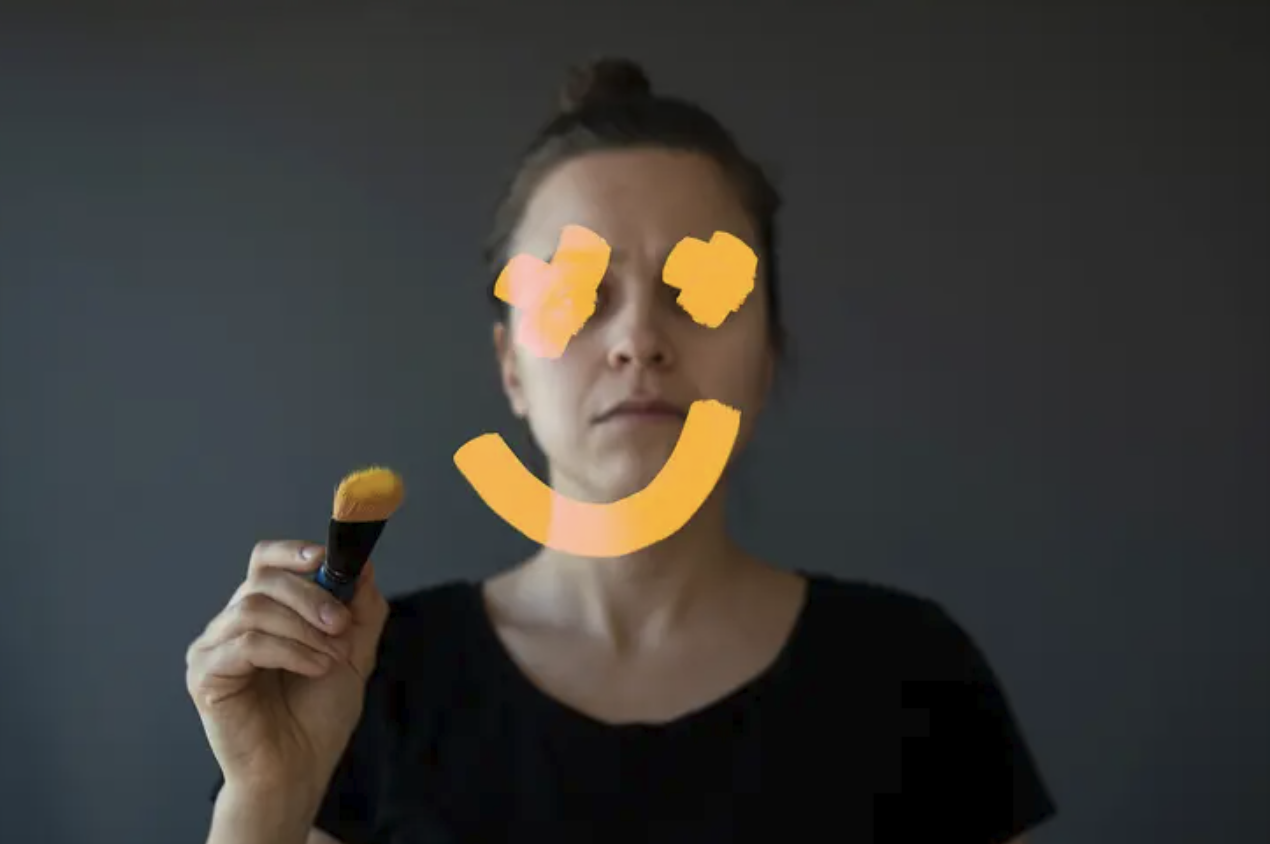
Emotional self-regulation- Become aware feeling fear, anger, or impatience in the moment they arise, within yourself, or with other, so we can respond with choice instead of reaction.
How the evening unfolds
1
30–40 minutes
Meditation & Grounding
We begin by settling the body and quieting the mind, the way a pianist relaxes their hands before playing. Christy will guide a short meditation, followed by self-awareness writing prompts — reflective questions tailored to what you notice arising in you, helping bring your mind gently back to your present experience.
2
30 minute
Journal down what comes to your attention
Time to sit with what surfaced during meditation and put it into words — a quiet, unhurried space to write in response to Christy's reflection questions in the session, deepening your own self-awareness on the page. This is a helpful practice to put your unconscious thoughts or feeling in word or drawing.
3
15 minutes
Group Reflection & Q&A
An open and safe space to share what came up for you, ask questions, and hear from others in the group. This is where insight often deepens — not just through your own reflection, but through what surfaces in conversation together.
4
Between Sessions
Weekly Practice
Each week, you'll bring awareness into your everyday reality and apply what you learned in the session — noticing where you hold tension when you're stressed or nervous, or what thought quietly caught your attention in a given moment. Because listening to someone play a beautiful song is enjoyable, but learning to play the piano for the first time actually requires much more inner focus and practice. It takes real effort to be present with your own thoughts, to actually become aware of them. The more you practice, the better you get.

Why this practice matters
You stop being run by your own mind
Very often, unconscious thought pulls you into worry, reactivity, and habits you didn't choose. Learning to notice a thought as it arises, rather than being swept along by it — is what gives you back the ability to choose your response instead of defaulting to it.
1
You build real focus, not just relaxation
Like learning to play the piano, this isn't about escaping into stillness for an hour and returning to the same scattered mind. Each week trains your capacity to concentrate — a skill that carries into your work, your relationships, and how present you are in your own life.
2
You start living with intention, have control and direction, not on autopilot
When you're not aware of your own thoughts and reactions, you can't fully account for the effect you have on others, or even understand your own unhappiness. This practice is the first real step toward shaping the life you actually want.