

Highlights of Preparation for Peru
Cash is the best way to travel in Peru for shopping, tips, and daily expenses, and it can also help you save money on international transaction fees. ($1 USD = approximately 3.65 Sol.) The cost of products or services may be slightly higher if you pay in USD, though usually not by a significant amount.
We will contribute tips for the retreat staff at Munay Sonqo on the last day of the retreat. For example, you may consider $10 or more per day
Travel insurance is highly encouraged.
Outlets in Peru: What to Know about Adapters and Voltage, Christy uses this adapters
Bring any personal medications, and consider packing medicine for potential high-altitude symptoms. The local clinic is not far from our retreat center, if you need anything, you will in the good hands.
Please pack fall/winter layering clothes—items you can easily take off when the sun is out and put back on when it gets chilly or cold at night. I suggest bringing two warm, light, waterproof jackets that can be layered, preferably with hoods.
Bring swimming pants/suit
Bring hiking boots and a few pairs of warm socks for change.
The internet access in your room can be weak, but internet is available in the shared common areas.
Your package includes 2 laundry services. Additional laundry is available at 1 kg for $5.00, with a one-day turnaround time.
A hair dryer is available in your bathroom, and an iron is available to borrow.
Please bring with you:
A notebook and pen for journaling — we will have time come together for reflection.
A personal object that is dear to your heart for the altar in our temple (please make sure it will not cause any issues during security checks).
Any object that represents something you are ready to let go of (you may also write it down on paper).
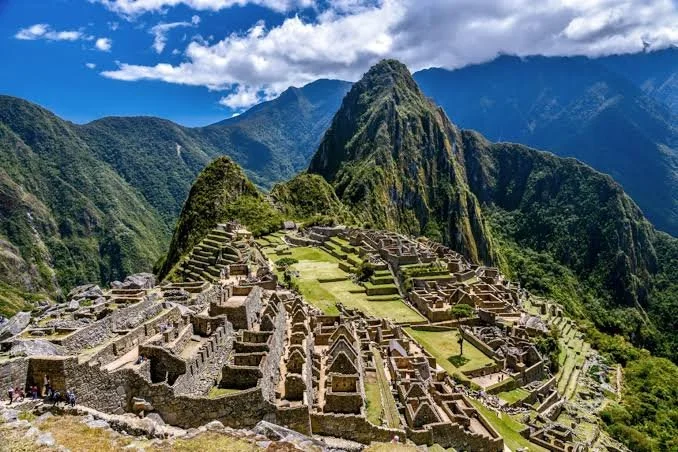
The History, Culture and Traditions in Peru
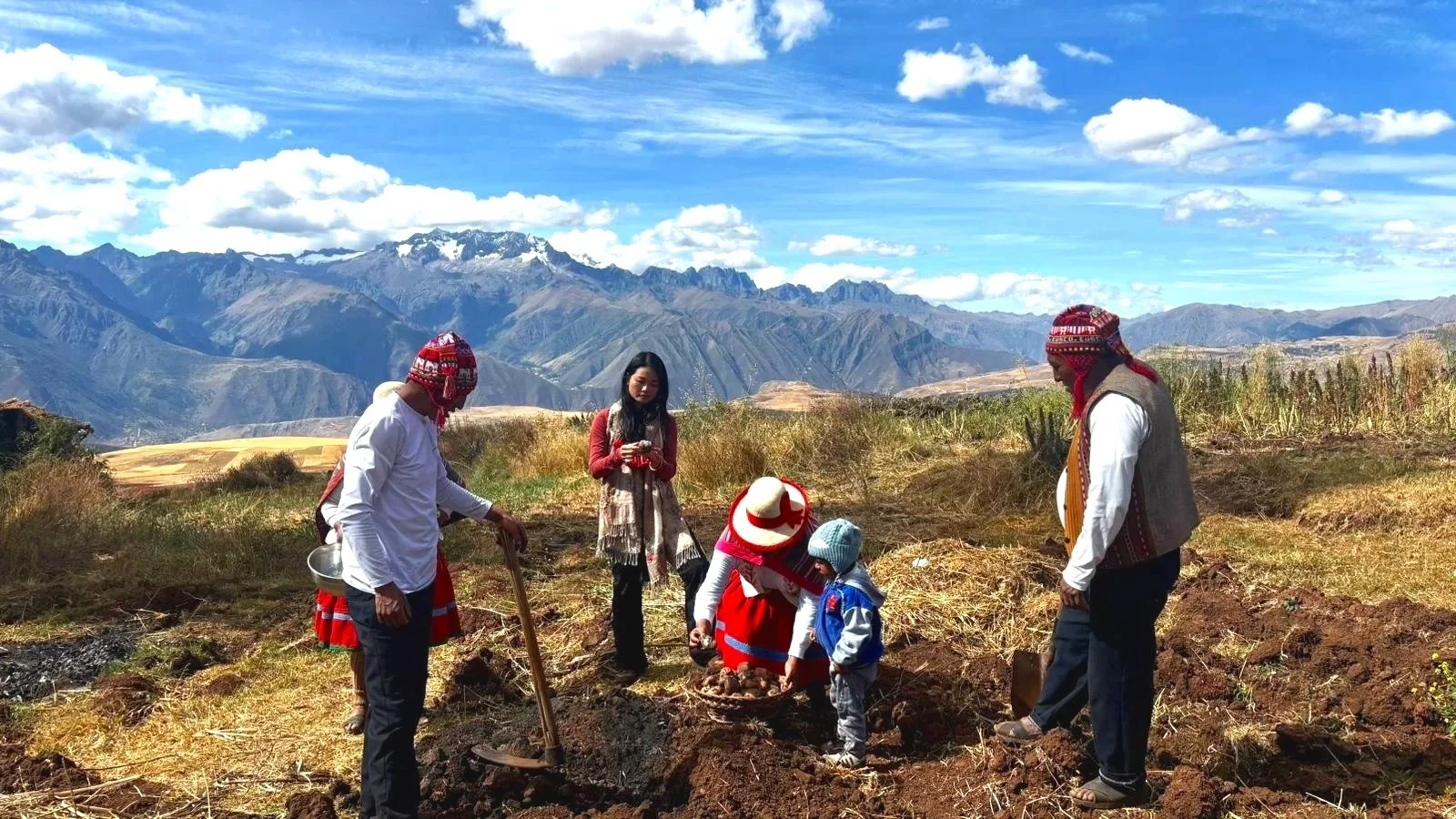
Core Value Andean Principles, A Living System of Knowing and community
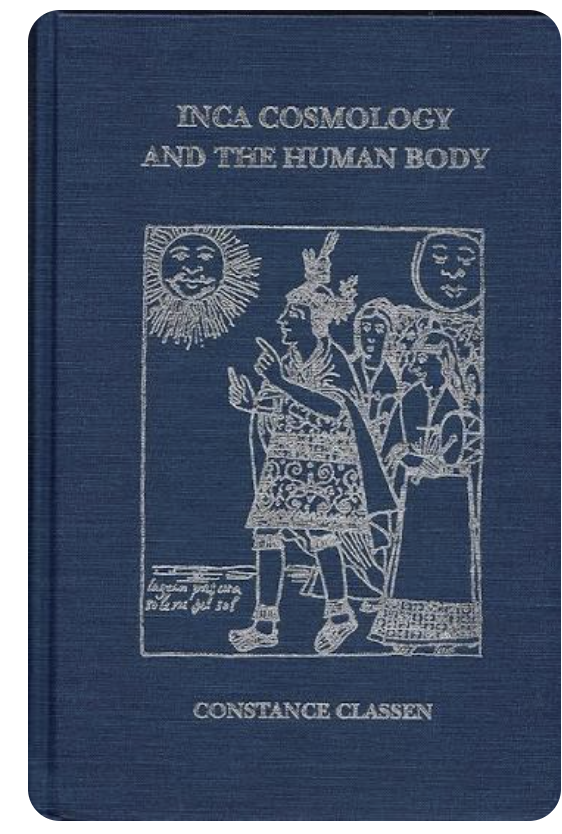
"Inca Cosmology and the Human Body" by Constance Classen. The book explores in depth how, in Inca culture, the human body and the structure of the cosmos correspond to one another — treating the body as a microcosm for understanding the sacred order. Below are the core concepts of Inca cosmology and the human body that the book explores:
1. The Three-Tiered Cosmos
The Inca divided the universe into three temporal-spatial realms, with the human body serving as the medium connecting all three:
Hanan Pacha (Upper World): The realm inhabited by deities, the sun, and the stars.
Kay Pacha (This World): The physical world where humans and nature exist.
Uku Pacha (Lower World): Located beneath the earth's surface, representing the world of the dead and ancestral spirits.
2. Correspondence Between the Human Body and the Cosmos
Sacred symmetry: The left-right symmetry of the human body (left side and right side, male and female, yin and yang) reflects the concept of dual complementarity and balance found in Inca cosmology.
Extension of society and nature: Various parts and organs of the body were imbued with sacred cosmic meaning. For example, mountains were seen as the earth's bones, rivers as its blood vessels, and the structure of human society was seen as tightly interwoven with nature, much like the body's meridians.
Sacred wholeness: Humans were not seen as mere animals, but as a synthesis of the mineral, plant, and animal kingdoms, endowed with the spiritual capacity to communicate with heaven and earth.
3. Illness, the Senses, and Ritual
In Inca medicine and belief, illness was seen as a state of "lost balance" — either within the body itself or between humans and the cosmos.
Inca rituals and myths were not merely religious acts, but active forces for sustaining the functioning of the cosmos; through bodily rhythm and ritual offerings (such as offerings to Pachamama, the Earth Mother), harmony between humans and nature was achieved.
Welcome to Sacred Heart Pilgrimage Retreat in Sacred Valley
You Are, Here, Now
7/11- 7/22, 2026
Days 1–4 — 紮根 Rooting: Arrival & Rejuvenation
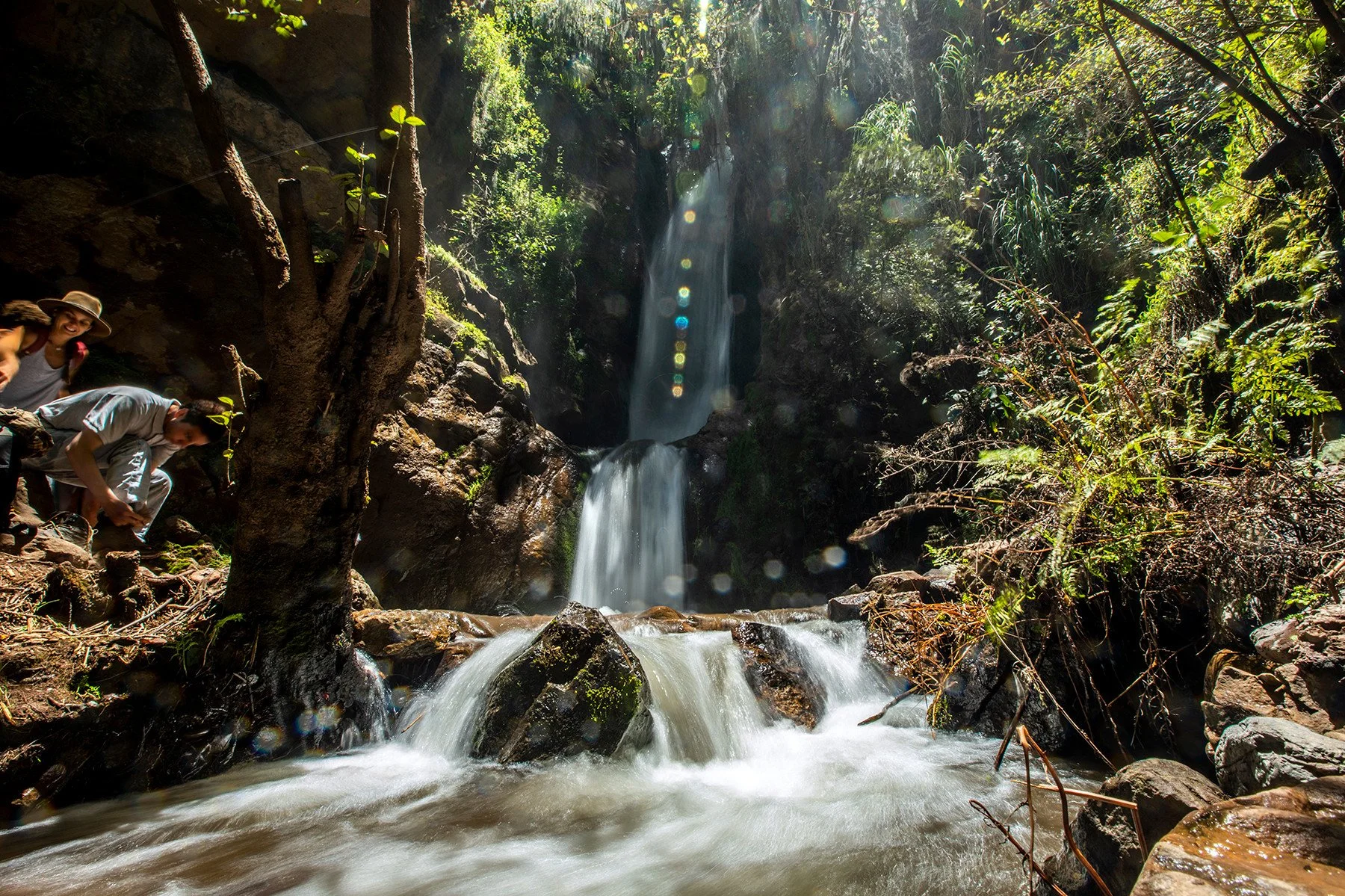
Welcome to Sacred Valley! You have traveled, and now you've landed at high altitude. For the next couple of days, we focus on allowing your mind and body to gently settle in with ease and self-care — nourishment, spa, massage, yoga, and breathing work — then slowly begin to engage with permaculture, explore the nearby waterfall, and stargaze under some of the clearest skies on earth.
New Update (07/06/26)
1, Airport meet up change to 9:30 a.m. on Saturday, 7/11
2, We moved Day 2’s Despacho Ceremony to Apu Susangate in Mr.Rufino’s home in between 7/19 -7/20.
3, We added Sirenachayoq waterfall hike on Day 4
4, Stargazing will be held at Fernando’s base near to Munay Sonqo
-
9:15 a.m. The driver from Munay Sonqo will pick you from your hotel to airport.
9:30 a.m. We will united in Cusco airport and then go from there to Sacred Valley.
9:30 a.m. - 11:30 pm - Rest and enjoy the ride!
Travel time from Cusco to our retreat center Munay Sonqo in Sacred Valley around 1 hour 50 minutes, enjoy the scenery slowly transform before your eyes
12:30 -1:30 pm Enjoy light lunch
1:30 p.m 7:00 pm. Welcome to Munay Sonqo! Check in your room, rest after your long travel, enjoy a lovely quiet afternoon in Sacred Valley.19:00 p.m. Dinner
Elevation traveling on Day 1
St.Louis about 460 ft
Cusco 11,152 ft
Sacred Valley 9,800 ft
-
06:30 a.m. Coffee is ready
07:30 a.m. - 8:30 a.m. Morning yoga (optional)
08:45 a.m. - 10:00 a.m. Breakfast
11:00 a.m. - Waterfall hike and spa
After breakfast, we enjoy a lovely hike to the beautiful waterfall near the retreat center’s property- an opportunity to connect with nature and immerse ourselves in the tranquility of the Sacred pure flow.
The afternoon is yours, choose 1 spa experiences
Air- Salt Cave Halotherapy (45 mins)
Water- Outdoor Jacuzzi (45 mins)
Fire- Dry& Wet Sauna + Infrared Sauna
19:00 p.m. Dinner
-
06:30 a.m. Coffee is ready
07:30 a.m-8:30 am . Yoga and meditation session (optional)
08:45 a.m. - 10:00 a.m. Breakfast
After breakfast, we join the Sacred Valley Community to learn about permaculture- an ecological design system that integrates human settlements with natural ecosystems here. We give back to Mother Earth through a tree-planting initiative that supports the regeneration of the Sacred Valley’s land.
After community service, gook an Earth element massage therapy to release what the body has been carrying and soften into the rhythm of the time and space.
Choose a session:
Relaxation, Deep tissue , or Shiatsu (including in the package)
Option: Reiki Energy Therapy (addition $60.00)
Dinner around 7:00 p.m.
Bonfire
-
6:30 a.m. Coffee is ready
07:30 a.m. -8:30 Yoga and meditation (optional)
08:45 a.m. -10:00 am Breakfast
After breakfast, we enjoy a lovely hike to the beautiful waterfall near the retreat center’s property- an opportunity to connect with nature and immerse ourselves in the tranquility of the Sacred pure flow.
19:00 p.m. Dinner
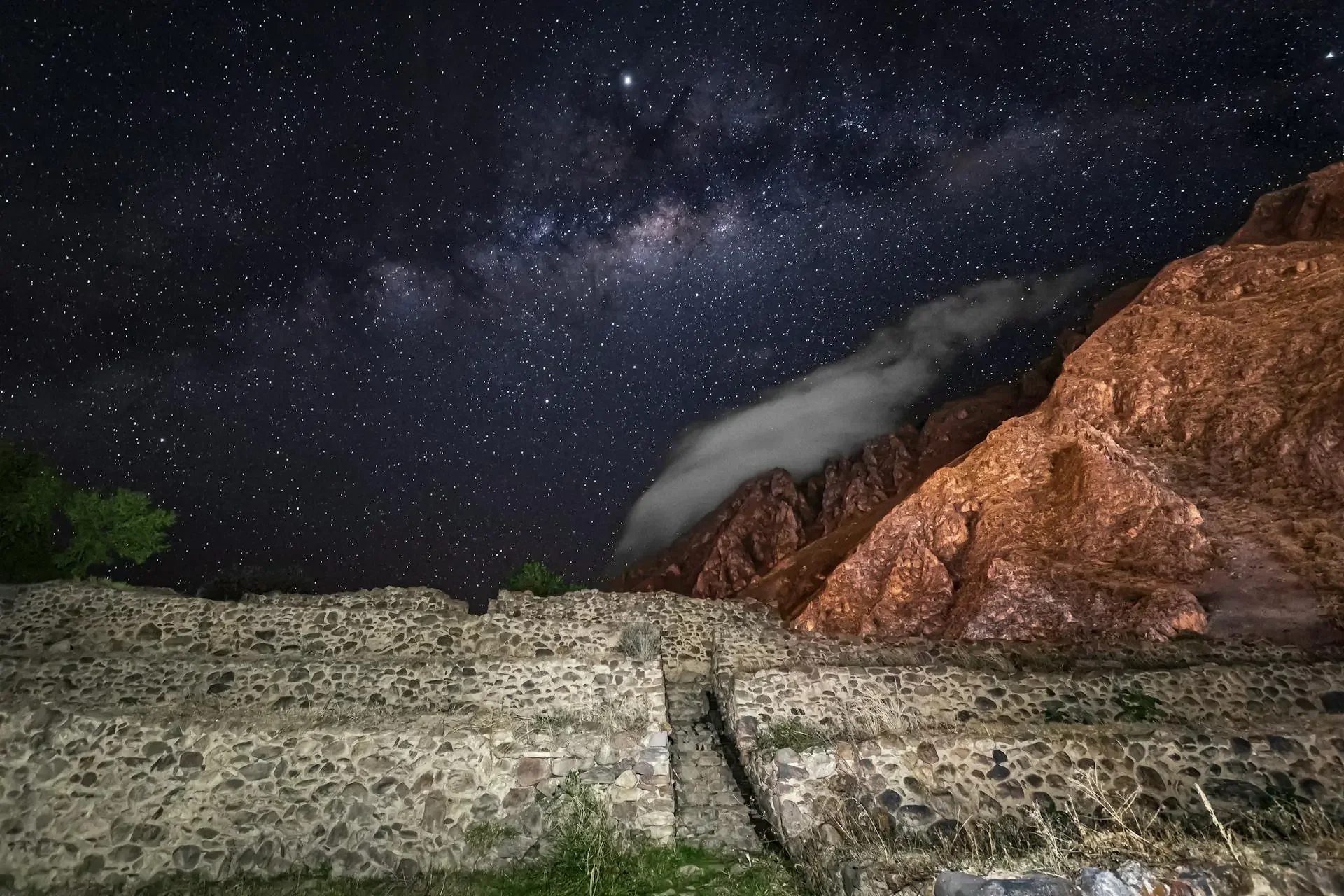
20:00 p.m. StargazingAfter dinner, we gather under the open dark sky for a stargazing experience with our local astronomer. In the high Andes, far from city’s vibration and lights, the stars and planets are extraordinary. We sit around the bon fire and let the vastness expand your imagination of what is possible. Everything built on the ground is mirroring what is above perfectly.
Days 5–8 — Enter the University of Universe through Inca Trail. Sense the ancient wisdom through the sounds, and your heart.
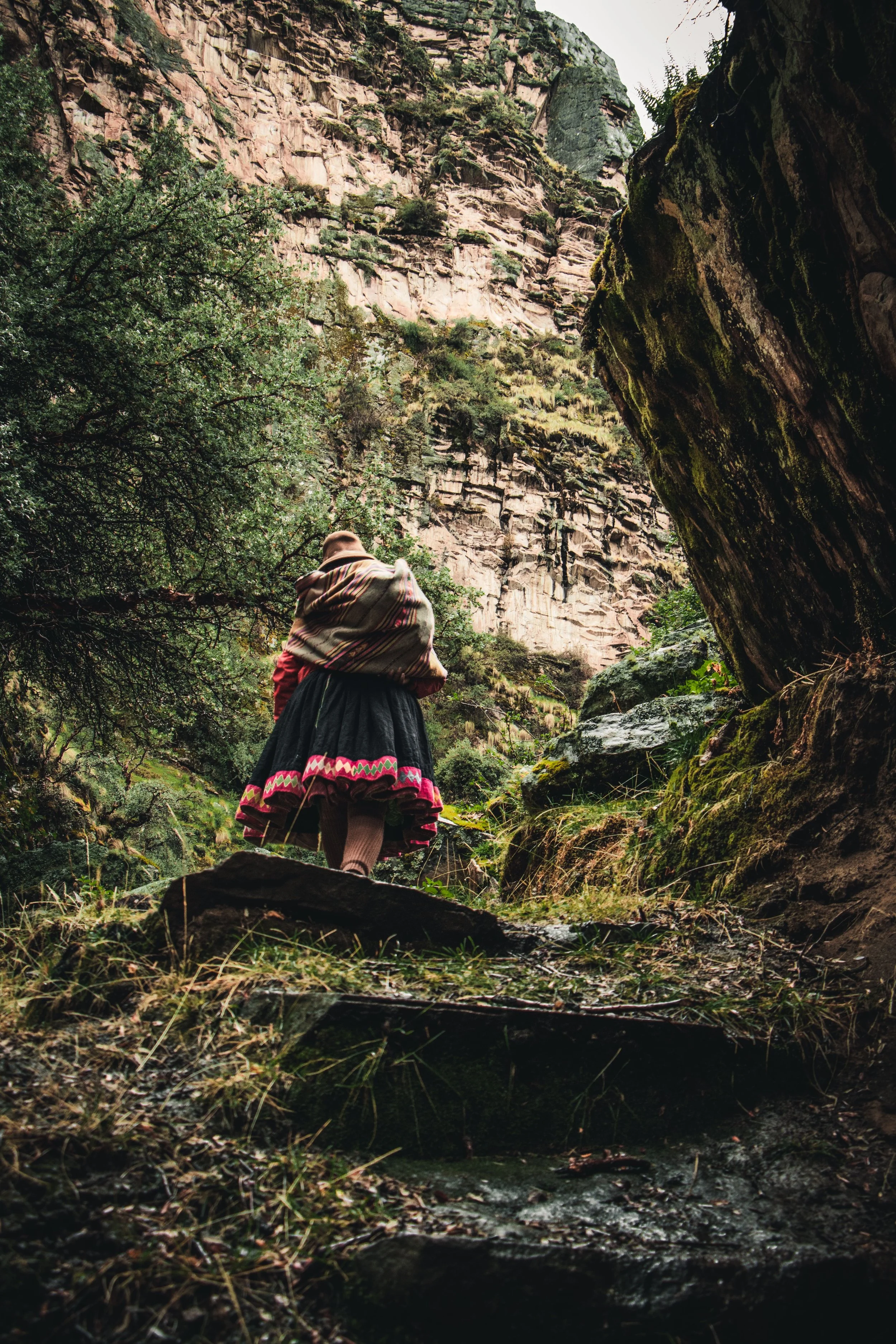
Mental preparation here is about effort as devotion, not effort as achievement. We shift from holding ourselves in the self-doubt of "can I do this" and lean into letting "what wants to be released with each step." Each step, each breath, each break, and each start is a personal pilgrimage. We follow and walk the same stones the ancient pilgrims walked before us, 500 years ago. We pace ourselves through this process, arriving at the Sun Gate before Machu Picchu reveals itself at sunset. After our time in Machu Picchu, we return home to receive the medicine of the heart through cacao ceremony, then explore Pisac and sound healing as our whole being have more room and ready to receive new vibration through us.
-
We ready at 5:30 a.m. We leave Munay Sonqo for an early train from Ollantaytambo, then begin our hike at Chachabamba- the entrance to the Inca Trail. We hike from approximately 7,054 ft through ancient Iandscapes- 12 km (about 7.5 miles) over 6-8 hours depending on our pace. You will be walking on paths built by the Incas over 500 years ago, This is the trail the Inca pilgrims walked. Today, you walk it too.
Inca Trail Highlights:
Chachabamba- We begin our hike here after train arrived
Winay Wayna- Terraced after a 4-hour climb
Sun Gate (Inti Punku) We enter as the ancient pilgrims did, arriving at the citadel around 4-5 p.m.
We then descend by bus to Aguas Calientes for a free evening and stay for the night at a local hotel.
After checked our hotel, you are free to explore the town Aguas Calientes.
Elevation traveling today
Sacred Valley 9,800 ft
Ollantaytambo
Inca Trail
Aguas Calientes
-
After early breakfast at the hotel, we return to Machu Picchu in the morning with fresh energy and our knowledgeable guide. Learn its history, feel its energy, and take in a place that has stirred something in every human being who has stood here.
Lunch and free exploration time in Aguas Calientes. We take the afternoon train back to Ollantaytambo and return to Munay Sonqo for a well-deserved dinner and rest.
-
06:30 a.m. Coffee is ready
08:45 a.m. - 10:00 a.m. Breakfast
A gentle morning back in the garden — just as the local farmers do — contributing once more to the living land
that has been nourishing us with pure energy every day.
After our exploration through the Inca Trail and Machu Picchu, a great massage is a gift well given to yourself. In the evening, we gather for a traditional, heart-nourishing cacao ceremony — a time to reflect on how far we have come, connect with your heart, and simply be in the moment, as you are.
-
6:30 a.m. Coffee is ready
07:30 a.m. -8:30 Yoga and meditation (optional)
08:45 a.m. -10:00 am Breakfast
After breakfast, we explore Pisac — remarkable Inca ruins with some of the best-preserved agricultural terraces
in the region, overlooking the valley below. We visit the traditional local market, held daily, where locals from
surrounding Andean villages come to trade fresh produce. You will experience the warmth of the Quechua
communities firsthand.
In the evening, a deeply restoring sound healing ceremony washes through the body and quiets the mind — the perfect close to a full day.
Days 9–12 Trust the Mountain, trust yourself.
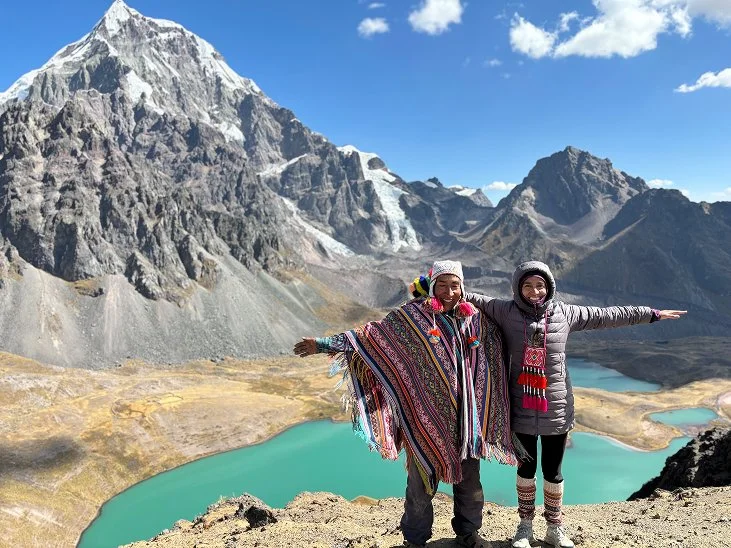
We make our way to Ausangate, soaking in the hot springs at its foot, spending a night in its quiet presence, welcomed by Don Rufino's lineage at Pacchanta. Then the sacred lagoons, Ancash Qocha and Otorongo Qocha, hold us for a cleansing ceremony. This part of the journey asks us more in receiving. Ausangate is the fifth-highest peak in Peru and one of the most revered Apus in Andean cosmology, so let us to be the container, to recieve and allow what’s to let go, and be the space for what’s potential to enter our life.
-
We rise early and begin the most sacred leg of our journey — a two-day pilgrimage to Apu Ausangate, the great
Father mountain of the Andean world, standing at 20,945 feet.
We stop for lunch in the remote mountain village of Pacchanta, then step into the natural hot springs beneath the
open sky and the watching mountain. That evening, we are welcomed into Rufino Turpo's community and spend.
Despacho Ceremony
We will have a traditional Despacho Ceremony at Mr.Rufino’s home that helping us tune in, relax, and connect with the presence of the sacred energy around us.
We will be spend the night by the presence of Apu Ausangate.
Sacred Valley 9,800 ft
Apu Ausangate
-
After a lovely breakfast, we hike through high-Andean landscapes to the sacred lagoons of Ancash Qocha and Otorongo Qocha. Guided by Rufino, we participate in a personal cleansing ceremony — releasing what no longer
serves us. A ceremony of letting go, to let come.
We then move through breathtaking landscapes on our way back to the Sacred Valley in the evening, and enjoy a quiet, restful night.
-
After the depth of the pilgrimage, this day invites you to simply be. Walk in the garden, book a spa session or
massage, visit the nearby waterfall again, or simply enjoy the opening view of the Sacred Valley in front of you.
After dinner, we gather in circle one final time — to share what has moved through us, honour the journey, and complete this life experience with gratitude.
-
6:30 a.m. Coffee is ready
08:45 a.m. -10:00 am Breakfast
After breakfast, our driver picks us up at 9:30–10:00 a.m. for Cusco airport, arriving around 12:00–12:30 p.m.
If you wish to continue your journey in a different area, please let Christy know so we can help take you to your next destination. We are happy to make your journey as full and complete as possible for you!
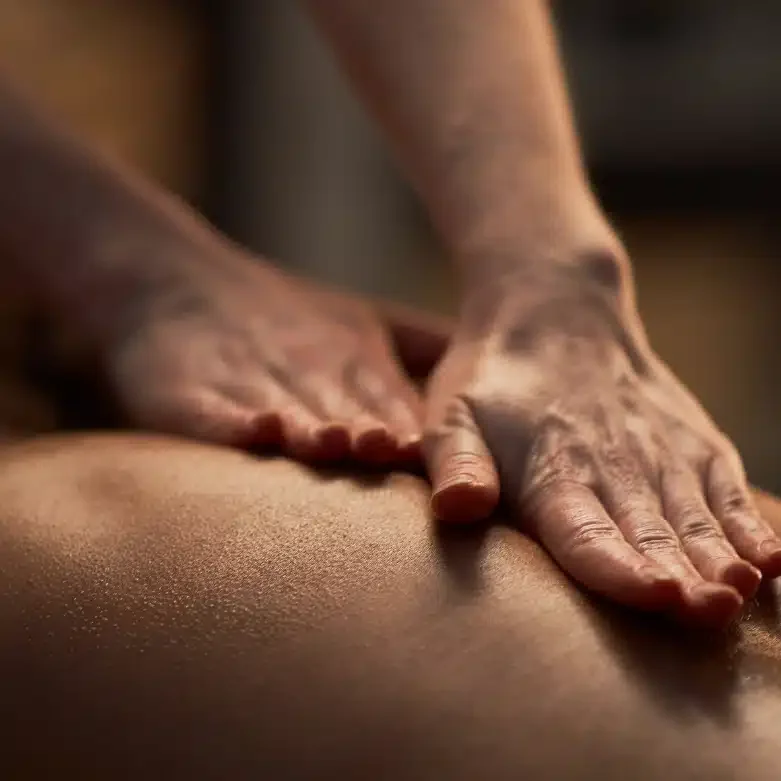
Shiatsu- A deep pressure massage to restore balance and energy flow
Deep Tissue Massage - Targets tension and relieves muscle soreness.
Thai Massage- A dynamic and therapeutic stretching massage.
Relaxing Massage - Gentle and soothing, perfect for deep relaxation